
Joint Replacement & Reconstruction
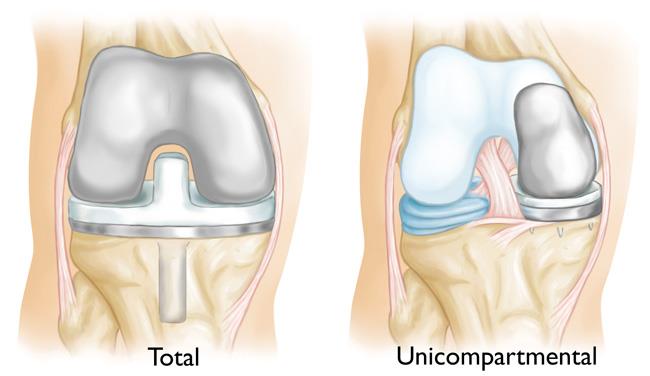
Partial Knee Replacement (Unicompartmental)
Unicompartmental knee replacement targets isolated compartment damage, preserving healthy tissue, cruciate ligaments, and natural joint mechanics for quicker recovery and more natural movement. Ideal for younger patients with limited arthritis, it offers lower complication rates and excellent long-term outcomes using modern implants and robotic assistance.
Orthopaedic Servcies
- Joint Replacement & Reconstruction
- Sports Medicine & Arthroscopy
- Spine Tumor & infection management
- Trauma & Fracture Care
- Pediatric Orthopaedics
- Hand, Wrist & Microsurgery
- Foot & Ankle Services
- Regenerative & Biological Treatments
Shoulder Replacement
Anatomic shoulder replacement restores natural anatomy for patients with intact rotator cuffs, while reverse shoulder arthroplasty shifts biomechanics to the deltoid muscle, excelling in cases of severe cuff tears or arthritis. These procedures provide significant pain relief and improved function with advanced prosthetic designs.

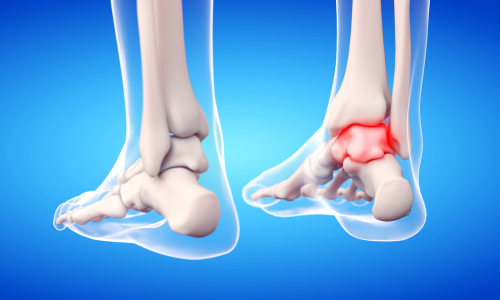
Ankle & Elbow Replacement
Total ankle replacement preserves motion and improves gait over fusion, using durable implants for end-stage arthritis. Elbow replacement addresses posttraumatic or rheumatoid conditions with linked prostheses, enhancing range and stability through biocompatible materials and precise planning.
Revision Joint Replacement
Revision surgery manages loosening, wear, or infection via staged protocols, including implant removal, antibiotic treatment, and reconstruction with grafts or modular components. Advanced antimicrobial strategies ensure high success in infection control and functional restoration.
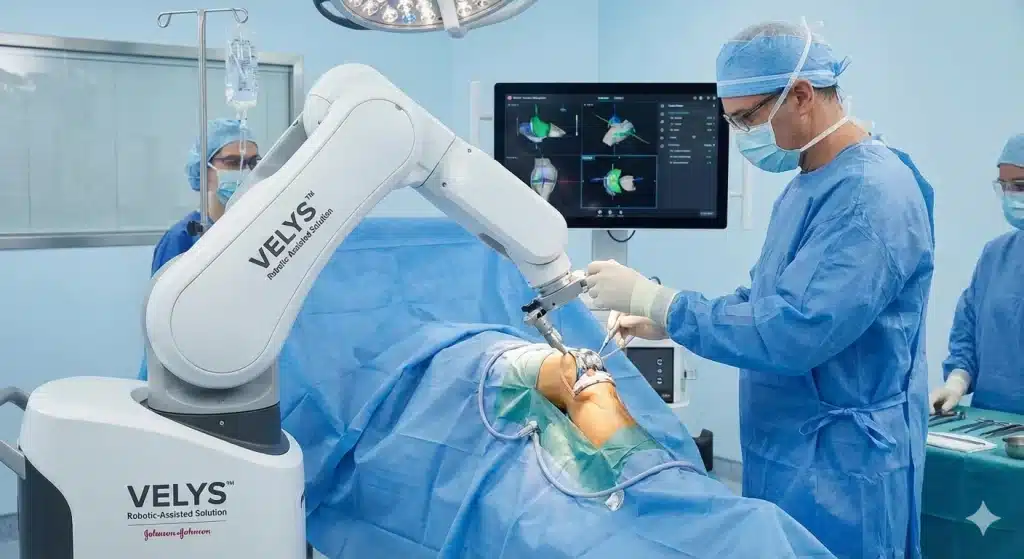
Robotic Joint Replacement
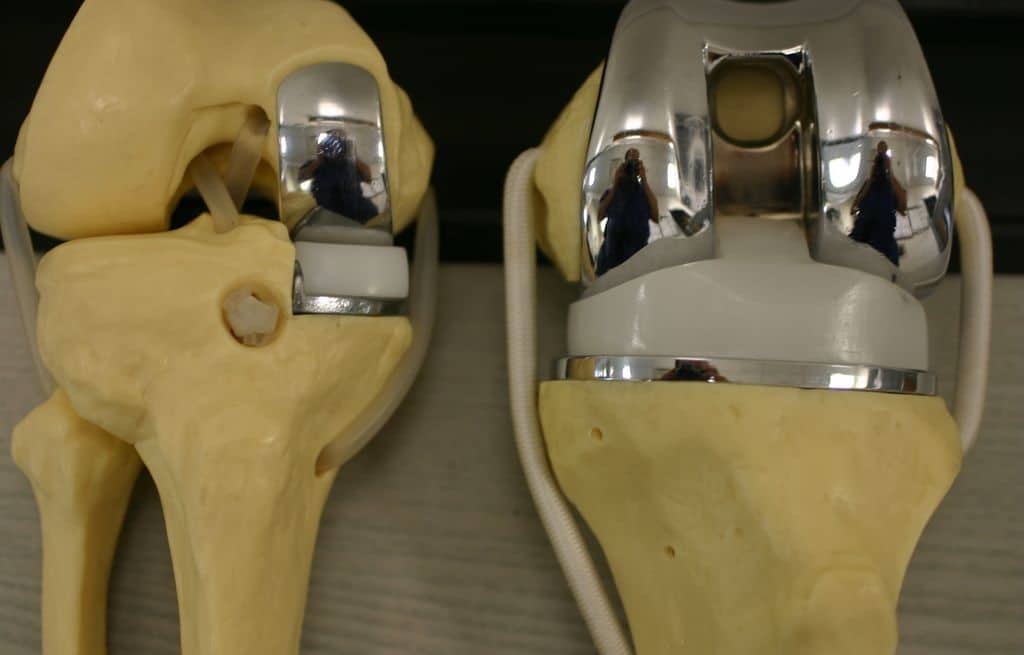
The VELYS™ Robotic-Assisted Solution is an advanced robotic system developed by DePuy Synthes (part of Johnson & Johnson MedTech) for orthopedic knee replacement surgery. It’s a table-mounted, imageless robotic platform that assists surgeons during procedures without requiring pre-operative CT scans. Launched initially for total knee arthroplasty (TKA) in 2021, it received FDA clearance for unicompartmental knee arthroplasty (UKA, or partial knee replacement) in 2024. It’s designed to integrate with the ATTUNE® Knee System implants and is part of the broader VELYS Digital Surgery ecosystem.
Primary Uses
– Total Knee Arthroplasty (TKA): Full knee replacement for patients with advanced osteoarthritis or joint damage affecting multiple compartments.
– Unicompartmental Knee Arthroplasty (UKA): Partial knee replacement, targeting only the damaged compartment (medial or lateral), often for earlier-stage arthritis.
– Compatible with implants like the ATTUNE Total Knee and SIGMA™ HP Unicondylar Knee System.
– Used in over 55,000 procedures globally as of recent reports, focusing on personalized alignment, bone resection, and soft tissue balancing.
The system uses real-time intraoperative data, infrared cameras, optical trackers, and screens to guide surgeons, adapting dynamically during surgery.
Key Benefits and Advantages
The VELYS system aims to improve precision over traditional manual techniques, addressing common issues like implant misalignment (which affects up to 20% of patient satisfaction in conventional knee replacements). Evidence from clinical studies and manufacturer data highlights:
– Enhanced Precision and Accuracy:
– Provides accurate bone cuts, implant positioning, and ligament balancing.
– Real-time adjustments ensure alignment within 3° of neutral in coronal plane.
– Reduces outliers in implant placement compared to manual methods.
– Personalization:
– Tailors the procedure to each patient’s unique anatomy using intraoperative data (no pre-op imaging needed).
– Helps predict and achieve better joint stability and soft tissue preservation.
– Improved Patient Outcomes:
– Potentially less postoperative pain, faster recovery, increased mobility, and quicker return to activities.
– Better functional results, such as improved range of motion and patient-reported satisfaction.
– Studies show enhanced early mobility, reduced hospitalization time, shorter surgical duration, and better psychological outcomes in propensity-matched analyses.
– Surgical Efficiency:
– Adapts to the surgeon’s workflow with an intuitive, table-mounted design (easy to move between ORs).
– Versatile control retained by the surgeon (robot assists, doesn’t perform independently).
– Muscle- and tendon-sparing approaches in some techniques minimize tissue damage.
– Other Advantages:
– No need for CT/MRI pre-planning, simplifying preparation.
– Integrates with digital tools for data insights across the care continuum.
– Supported by training via Johnson & Johnson Institute, including virtual reality simulators.
While robotic assistance like VELYS shows promising short-term benefits (e.g., accuracy, reduced operative time with surgeon experience), long-term advantages over manual surgery are still under investigation in ongoing studies. Risks are similar to standard knee replacement (e.g., infection, blood clots), but the technology aims to mitigate alignment-related complications.